
In Maryland, Where Do Termites Come From?
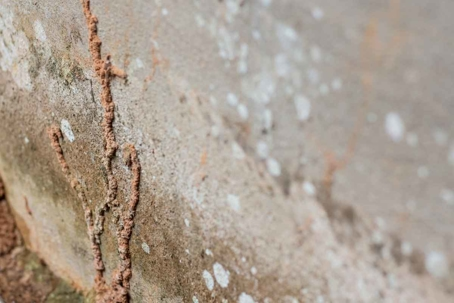
Termite infestations can originate from various sources, and understanding these origins is crucial for effective prevention and control. termites are social insects that live in colonies, and they primarily feed on cellulose, which is found in wood and other plant materials. Here are several common sources from which a termite infestation can originate:
- Soil: Subterranean termites which are the most common termite species, typically nest in the soil. They build mud tubes or tunnels that connect their underground nests to sources of wood or cellulose. These tubes can lead them to the foundation of buildings, making it easy for them to access structural wood.
- Wooden Structures: Infestations can originate from within wooden structures themselves, such as walls, floors, or roof rafters. Termites can enter buildings through small cracks, crevices, or even tiny gaps around utility lines.
- Tree Stumps and Dead Trees: Termites often establish colonies in tree stumps, fallen trees, or decaying wood in close proximity to a building. From there, they may forage into nearby structures.
- Mulch and Garden Debris: Landscaping materials like mulch, wood chips, and garden debris provide termites with a source of cellulose. If these materials are placed too close to a home’s foundation, termites may move from the garden to the house.
- Firewood: Storing firewood against the exterior walls of a building can attract termites. They can quickly infest the firewood and then move into the nearby structure.
- Crawlspaces and Basements: Termites may enter a building through damp crawlspaces or basements. They thrive in moist environments and can easily infest wooden structural elements.
- Infested Furniture: Antique furniture or wooden items brought into a home without proper inspection can introduce termites into a building.
- Cardboard and Paper Products: Termites are known to consume cardboard and paper products. If these materials are stored in dark, damp areas, they can become infested, and the termites may then spread to other parts of a structure.
- Plumbing and Utility Lines: Termites can enter a building through gaps around plumbing or utility lines that penetrate the foundation. Once inside, they can tunnel through structural wood.
- Neighboring Infestations: In some cases, termite colonies from neighboring properties can invade a home. Termites can travel underground, and if they encounter a suitable food source, such as the wooden components of a building, they will establish satellite colonies.
To prevent termite infestations, it’s essential to maintain proper home maintenance, eliminate wood-to-soil contact, reduce moisture around your property, and schedule regular termite inspection with RH Pest Management at 4104972468 or a Professional pest control services that can also help manage and eradicate termite infestations effectively.
Where Do Flying Termites Come From?
Flying termites, also known as “swarmers” or “alates”, are a specific caste of termites within a colony that are responsible for reproduction and the establishment of new termite colonies. These flying termites emerge from existing termite colonies under specific conditions, and their appearance is an essential part of the termite life cycle. Here’s where flying termites come from:
- Within Existing Colonies: Flying termites are produced within established termite colonies. These termites, known as alates, are the reproductive caste and develop from nymphs. They are specially equipped with wings and functioning reproductive organs.
- Swarming Season: Flying termites typically emerge during a specific time of year, often in the spring or early summer when environmental conditions are favorable. The exact timing of swarming varies by termite species and location.
- Environmental Triggers: Several environmental factors trigger the emergence of flying termites. These include warm temperatures, high humidity, and specific light conditions, such as after rainfall or during the late afternoon.
- Nuptial Flight: The emergence of flying termites is referred to as a “nuptial flight”. During this event, large numbers of alates from a single colony emerge simultaneously. They exit the nest through specially constructed exit holes or tunnels.
- Mating: Once in the air, male and female flying termites pair up. They engage in a brief flight, during which they mate. After mating, they shed their wings.
- Establishing New Colonies: After mating, the mated pair lands, and the female seeks a suitable location to start a new termite colony. The female then becomes the queen of the new colony, while the male dies shortly after. The queen begins laying eggs, and the new colony begins to grow.
While flying termites themselves are not destructive to structures, their presence is a sign that a termite colony is nearby. If you see flying termites inside your home or around your property, it’s crucial to take immediate action by contacting RH Pest Management for a thorough inspection and potential treatment to prevent the establishment of a new colony in or near your property. Regular termite inspections can also help detect infestations before they become extensive and costly to address.